Facilities teams have heard “robots are the future of cleaning” for years. What's different in 2026 is that it's no longer a future story. Rising operating costs, persistent difficulty recruiting and retaining cleaning staff, and hygiene expectations that never seem to drop back down are pushing autonomous cleaning from an experiment into a standard line item in facilities budgets.
This article breaks down the five trends actually driving that shift, what to look for when choosing a robot for your own site, and where each trend maps onto a real, deployable solution.
Key Takeaways
- Cost and staffing pressure, not novelty, are the main forces pushing facilities toward automation.
- AI-driven navigation now lets a single robot sweep, scrub, mop and vacuum across mixed flooring in one pass.
- Sustainability has shifted from a marketing angle to an operational requirement, with robots reducing water, chemical and energy overuse through consistent, repeatable cleaning routes.
- Fleet-level data and centralised reporting are becoming as important as the robots themselves for multi-site operators.
- The right choice isn't “the best robot” in the abstract, it's the robot that's matched to your specific floor plan, sector and ownership preference.
Why Automation Is Accelerating Right Now
Three forces are converging at once, and they reinforce each other rather than acting in isolation.
Cost pressure: Labour remains the largest and least predictable line in most cleaning budgets. A robot doesn't call in sick, doesn't need re-recruiting every few months, and running costs stay flat and predictable once it's installed and supported.
Staffing reality: Recruiting and retaining reliable cleaning staff has become one of the defining challenges facing facilities teams across almost every sector. Robots don't solve staffing shortages outright, but they absorb the repetitive floor-cleaning workload that's hardest to keep covered, freeing existing teams to focus on the detail work that genuinely needs a person.
Rising expectations: Hygiene standards haven't come back down since the pandemic, they've become the baseline. Facilities are expected to maintain consistent cleanliness across every shift, not just when a full team happens to be rostered on.
Put together, these three pressures are why commercial cleaning robotics has moved from a pilot-project curiosity to a mainstream procurement decision for warehouses, retail, healthcare, hospitality and manufacturing sites alike.
The Five Trends Actually Shaping Commercial Cleaning
1. AI Navigation and All-in-One Multi-Surface Cleaning
The biggest technical shift isn't a single new feature, it's robots getting genuinely smarter about the space they're working in. Modern navigation uses LiDAR mapping to learn a facility's layout, plan efficient routes, and adapt in real time around people, furniture and equipment. Increasingly, one machine now sweeps, scrubs, mops and vacuums in a single pass across mixed flooring, rather than requiring a separate machine for each task.
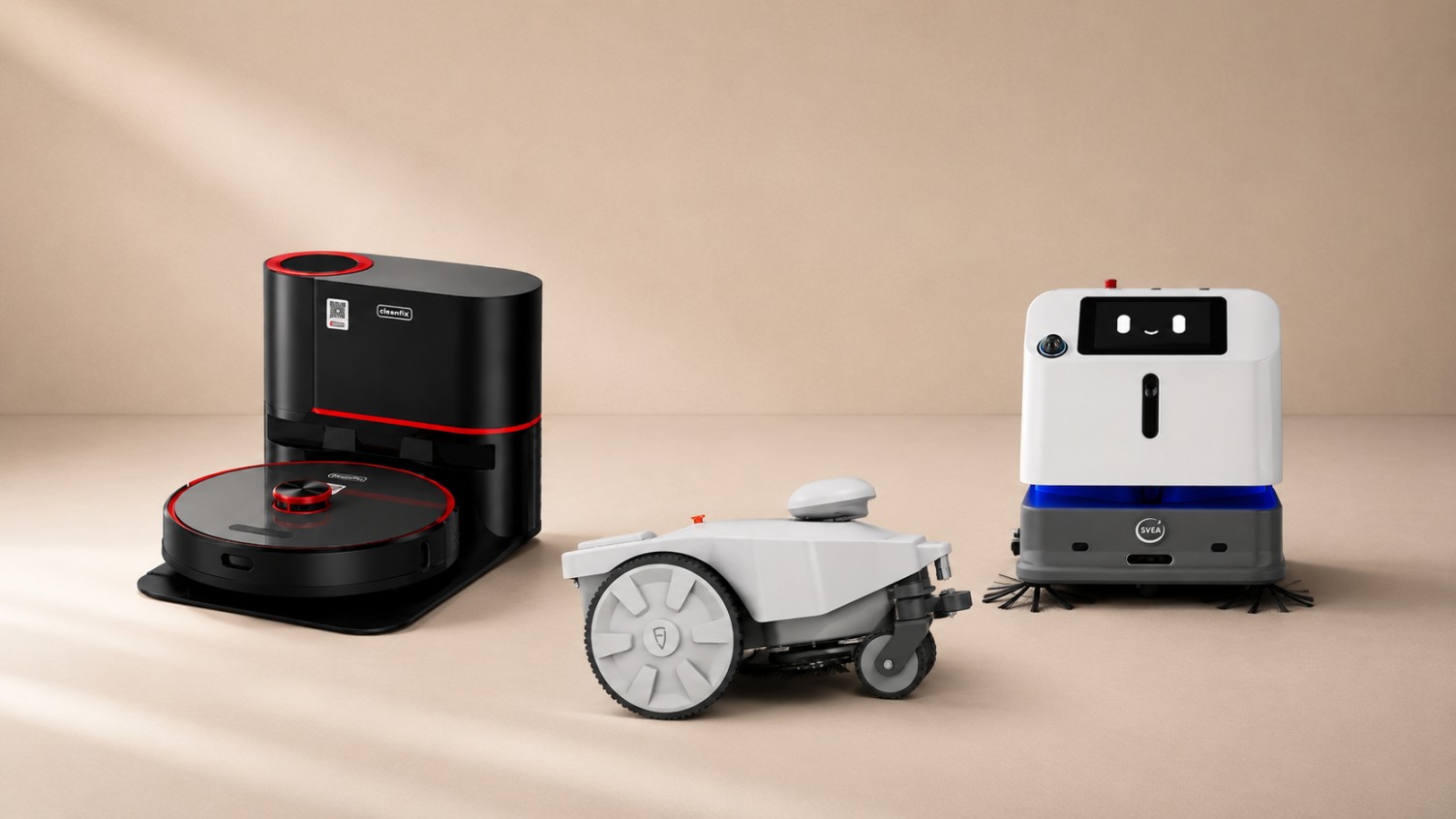
Where this fits in Green Automation's range: Sveabot uses LiDAR mapping to navigate large open spaces such as warehouses, logistics centres and shopping centres, with the V100 handling sweeping and patrolling and the S100 Pro R/M combining sweeping, scrubbing, mopping and vacuuming in one unit. For tighter, more complex layouts, iKitbot brings the same all-in-one scrubbing capability into a more compact footprint.
2. Labour Economics Are the Real Driver
This is the trend underneath every other trend. Facilities are increasingly running robotic equipment overnight or between shifts specifically because those hours are hardest to staff manually, and because the cost of covering them with a robot compares favourably to the cost of covering them with people, once turnover, training and overtime are factored in.
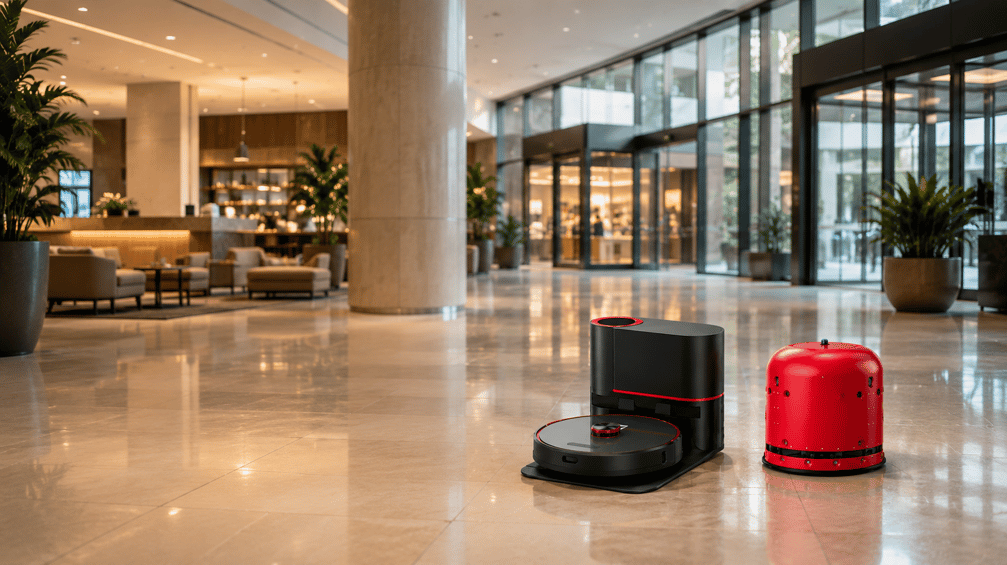
Where this fits in Green Automation's range: Cleanfix is built for continuous, high-traffic use in manufacturing facilities, industrial sites and distribution centres, the environments where overnight coverage gaps and staff turnover bite hardest. The RaaS model removes the capital barrier that used to slow this kind of adoption, rolling installation, maintenance and support into one predictable monthly cost rather than a large upfront purchase.
3. Hygiene Standards Are Pushing Disinfection Into the Floor-Cleaning Conversation
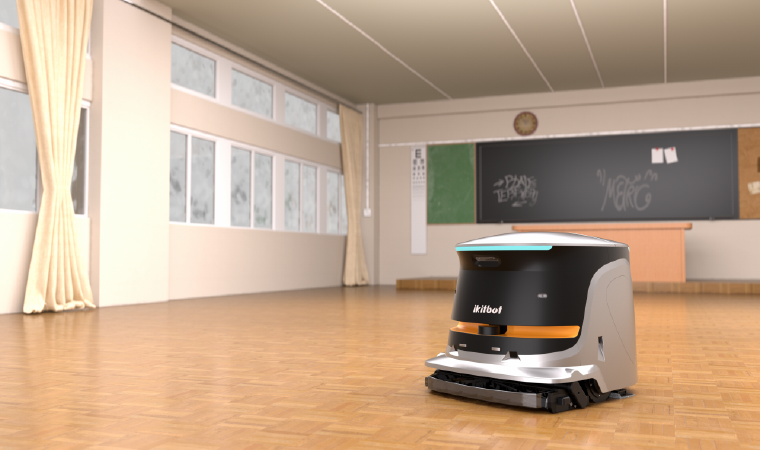
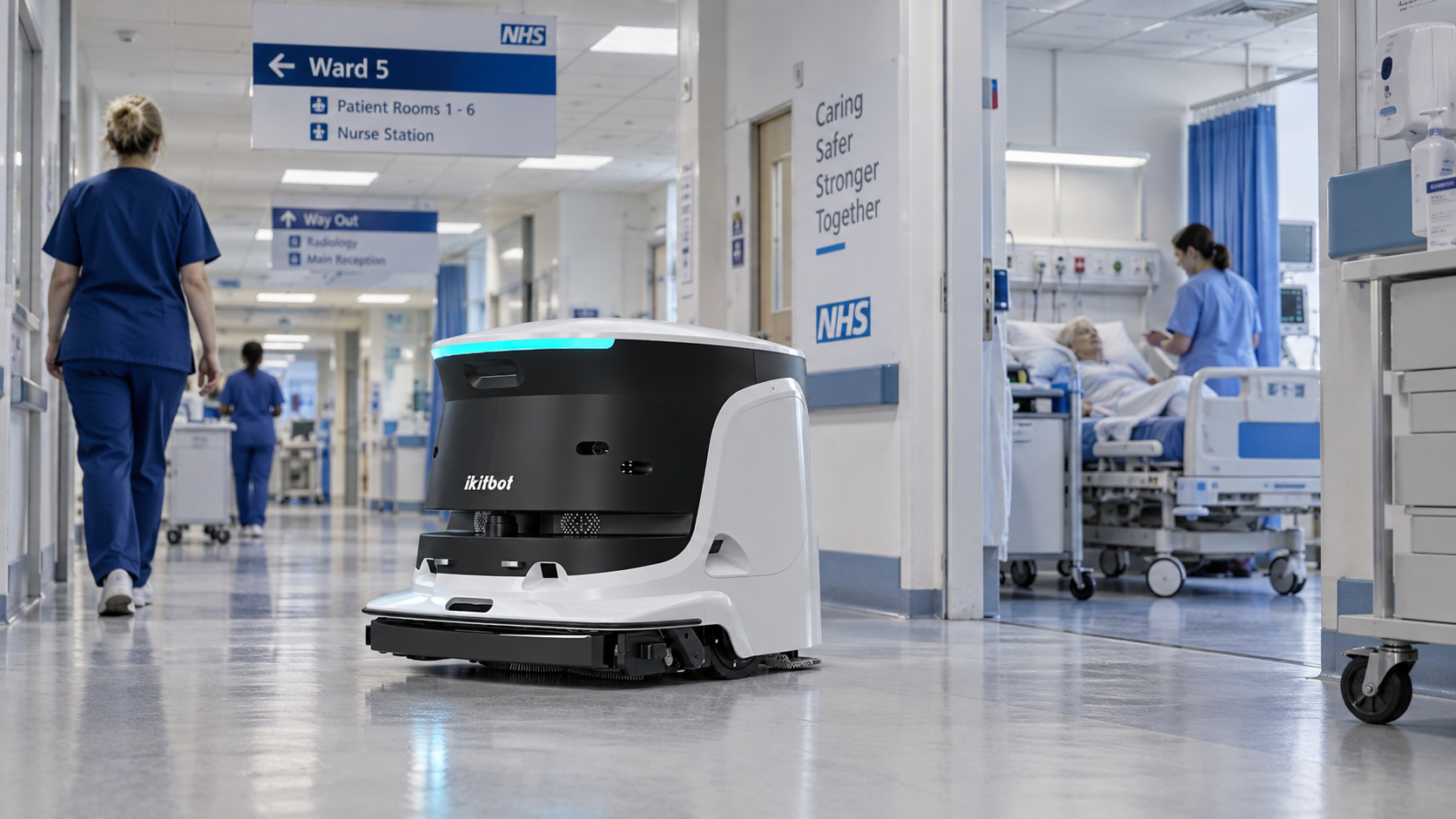
Hygiene expectations haven't faded since the pandemic peak. Healthcare environments in particular are turning to robots that combine cleaning with active disinfection, extending consistent standards into corridors, waiting areas and reception spaces that don't always get the same attention as clinical zones.
Where this fits in Green Automation's range: the iKitbot ONE S55 Pro UVC combines scrubbing with UVC disinfection in a single compact machine, a direct fit for healthcare corridors and reception areas, as well as food and drink environments dealing with constant spills and high foot traffic.
4. Sustainability Has Become an Operational Requirement
Environmental performance is no longer just a marketing line, it's a procurement criterion. Robots contribute here in a very practical way: they use only the water, chemical and energy needed for the job, cleaning the same route the same way every time rather than over-cleaning or under-cleaning inconsistently, which cuts waste without anyone having to think about it.
Where this fits in Green Automation's range: every robot across the Sveabot, Cleanfix and iKitbot ranges is deployed with this consistency built in, and Green Automation's site assessment process is specifically designed to match machine to facility so water and chemical use is optimised rather than guessed at.
5. Fleet Data and Multi-Site Oversight Are Becoming the Norm
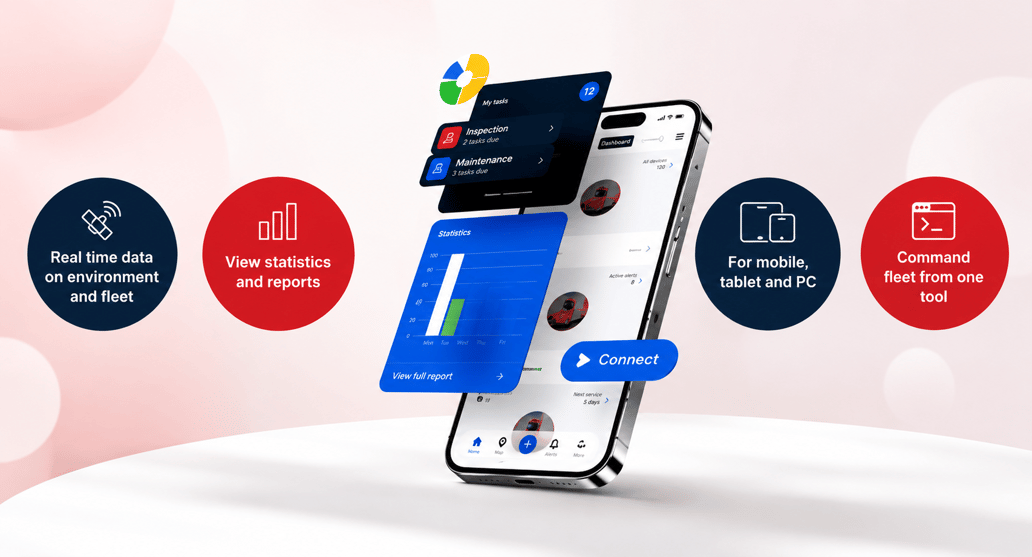
A robot working in isolation only tells you so much. The trend now is treating cleaning robots as a connected fleet, streaming utilisation, performance and maintenance data into a single dashboard so facilities teams can see what's actually happening across every site, rather than relying on anecdotal reports or waiting for something to go wrong.
Where this fits in Green Automation's range: FieldBots fleet management brings every robot in a deployment, regardless of manufacturer, into one platform, giving site managers live visibility of performance and utilisation and turning that data into reporting they can act on. For multi-robot or multi-site operators, this is what turns a set of individual machines into a managed, accountable fleet.
Bonus Trend: Automation Extending Outdoors
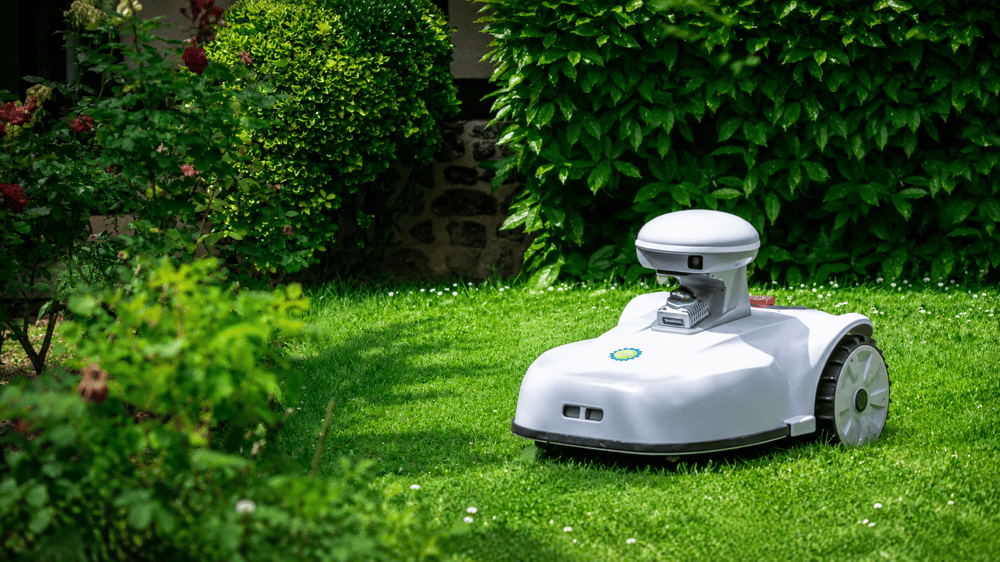
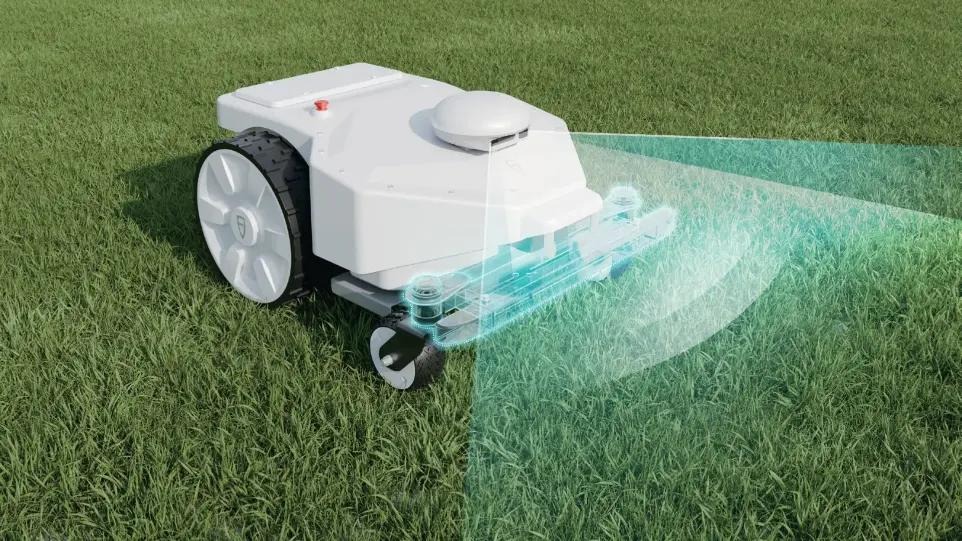
The same sensor-led navigation driving indoor robots is now standard in outdoor grounds maintenance too, with precision positioning replacing buried perimeter wires and letting robots cover large areas, handle slopes, and cut clean edges without manual input.
Where this fits in Green Automation's range: Sveaverken robotic mowers extend the same wire-free, sensor-led automation to lawns, turf and grounds, relevant for corporate campuses, sports facilities, and any site with both indoor floors and outdoor grounds to maintain.
How to Choose the Right Robot for Your Facility
With the trend landscape covered, the practical question is which of it actually applies to your site. A few things worth weighing before committing to any model:
- Navigation fit: Does the robot's mapping technology suit your actual floor plan, not a showroom demo? Narrow corridors, mixed flooring and high-traffic pinch points all behave differently in practice than on a spec sheet.
- Task versatility: Will one robot cover sweeping, scrubbing, mopping and vacuuming, or will your site need a combination of models? This shapes the real return on investment far more than the headline price.
- Hygiene requirements: If disinfection matters for your sector, that needs to be specified upfront rather than retrofitted later.
- Ownership model: RaaS suits organisations that want predictable monthly costs and minimal upfront capital outlay; outright purchase suits those who'd rather own the asset from day one.
- Ongoing support: A cleaning robot is a long-term operational asset. Local servicing, maintenance and a fast response when something needs attention matters more over a three-year deployment than it does on day one.
- Fleet oversight: If you're running more than a handful of robots, or robots across more than one site, centralised reporting stops being a nice-to-have and starts being how you actually manage the deployment.
Matching the Trend to the Range
|
Trend |
Recommended Green Automation Range |
|---|---|
|
Large open spaces, AI navigation |
Sveabot |
|
Continuous heavy-duty industrial use |
Cleanfix |
|
Compact spaces & hygiene-critical disinfection |
iKitbot (incl. S55 Pro UVC) |
|
Multi-site, multi-brand fleet oversight |
FieldBots fleet management |
|
Outdoor grounds and turf |
Sveaverken |
Frequently Asked Questions
 Are cleaning robots actually replacing cleaning staff?
Mostly no. Robots are best understood as absorbing the repetitive, high-frequency floor cleaning that's hardest to staff consistently, freeing existing teams for restroom detail, spot cleaning and the judgement-based work that robots can't do.
It depends on cash flow and how quickly your requirements might change. RaaS suits organisations wanting predictable monthly costs and low upfront investment; outright purchase suits those who prefer to own the equipment and have the capital available. A proper site assessment usually makes the right answer obvious.
This varies by facility size, shift pattern and existing labour costs, but the comparison should always be against the full cost of manual cleaning, including recruitment and turnover, not just against a mop and bucket.
Yes, provided the right model is matched to the space. Compact machines such as iKitbot are specifically suited to tighter, more irregular layouts, while Sveabot and Cleanfix are built for larger, more open modern facilities.
Warehousing and logistics, manufacturing, healthcare, retail, hospitality and education are seeing the strongest uptake, largely because they combine large cleaning footprints with the staffing and cost pressures driving adoption industry-wide.
The Bottom Line
None of these trends exist in isolation, and none of them are about technology for its own sake. They're a direct response to what facilities managers are dealing with every day: rising costs, harder-to-fill shifts, and standards that only ever go up. The starting point for any of it is the same: an honest, no-obligation site assessment to work out which of these trends genuinely applies to your facility, and which robot in the range actually fits.